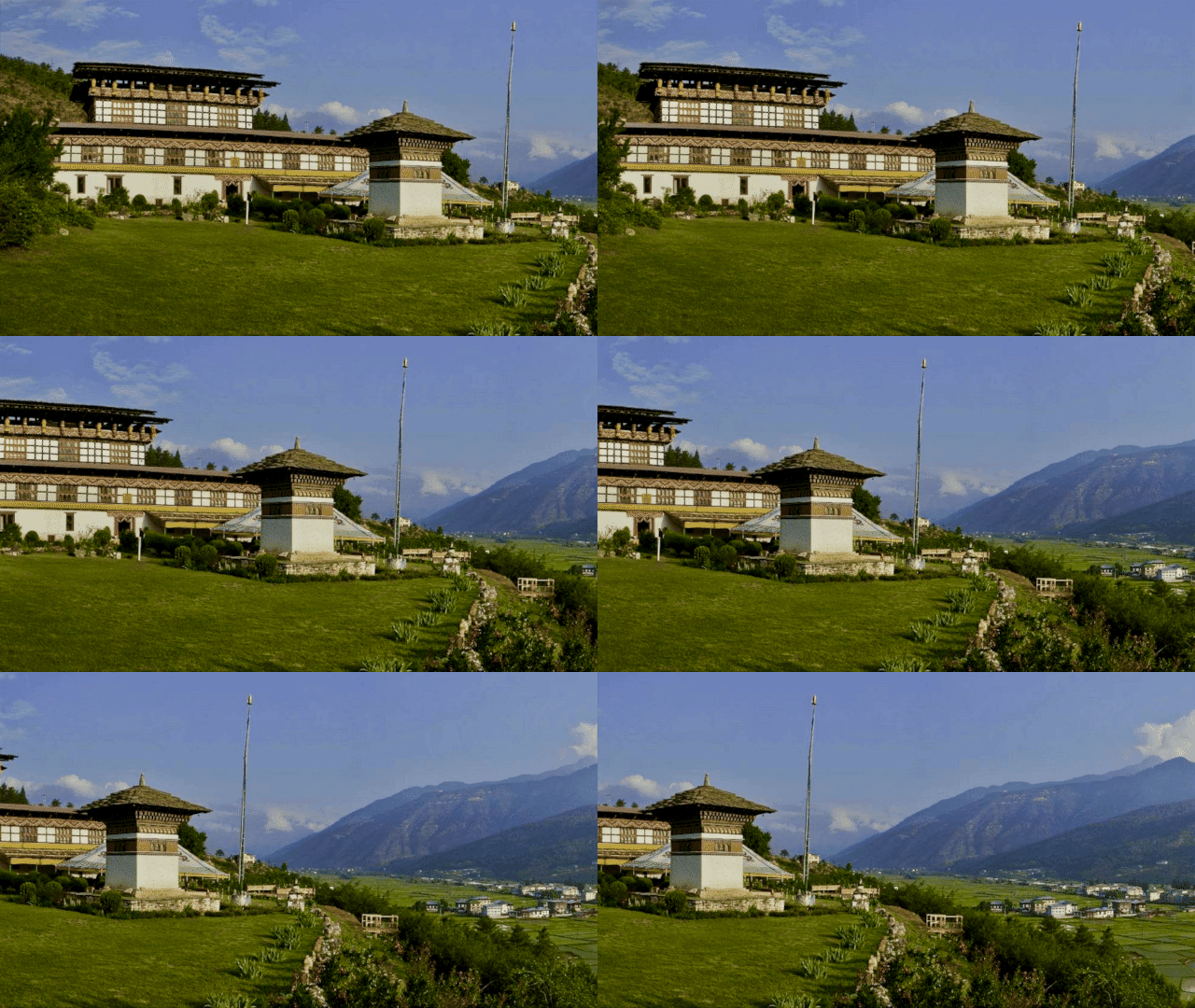
GANGTEY PALACE HOTEL (1)
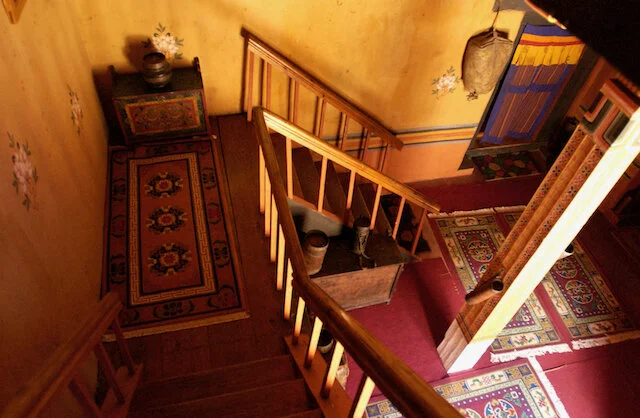
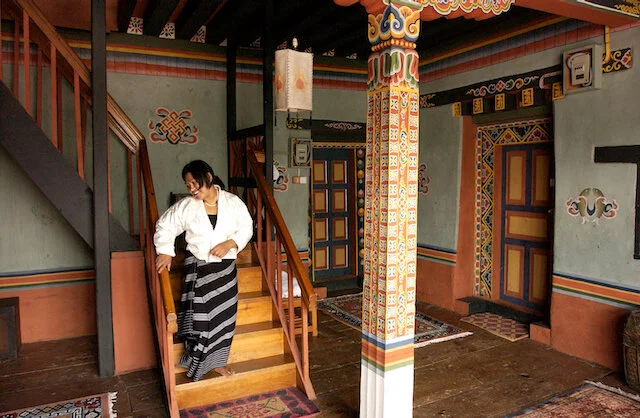
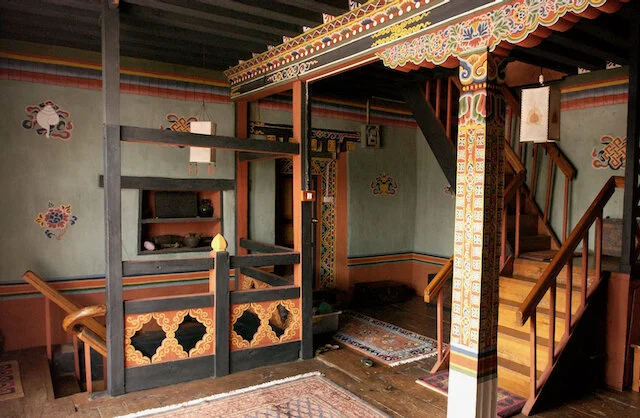
CONCEPT DESCRIPTION
Paro is the gate way to the Bhutanese travel circuit and the single entry-point for Bhutan air travel. It will be the first home for our Resource for Life. Since ancient times, Paro had been the centre of Buddhism in Bhutan. There are more than a 100 monasteries and temples in Paro, some of them dating back to the 14th century. Four of the ten collages of Royal University of Bhutan are located in Paro and Thimphu (education, culture, business, science, humanities), Khesar Gyalpo University of Medical Sciences of Bhutan is near The Institute of Traditional Medicine in Thimphu and a number of Buddhist universities such as Tango University of Buddhist Studies.
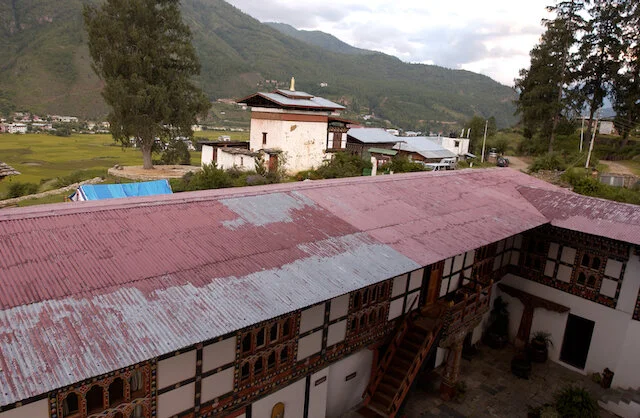
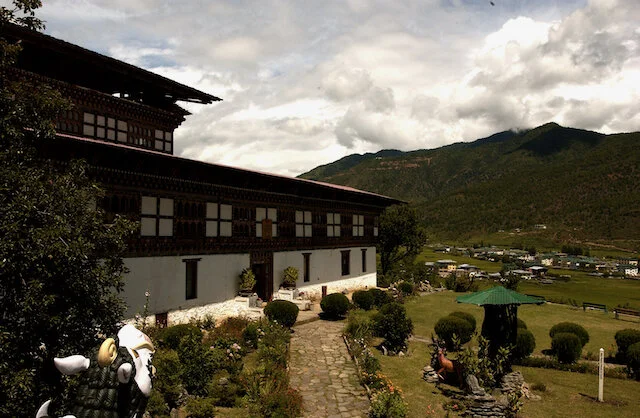
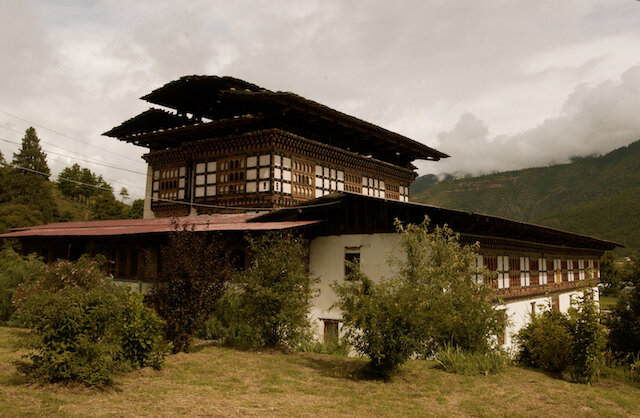
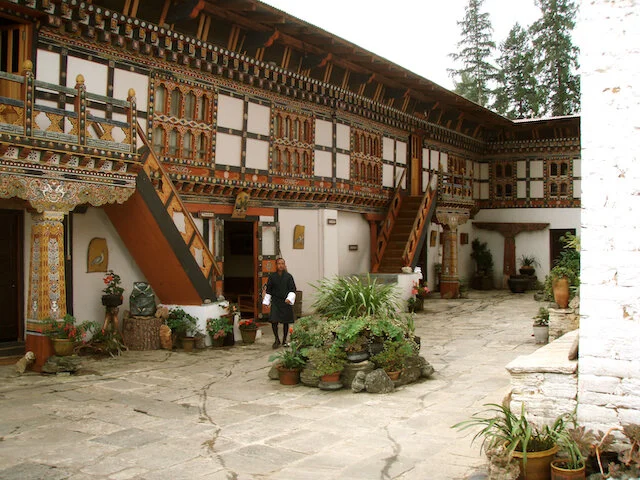
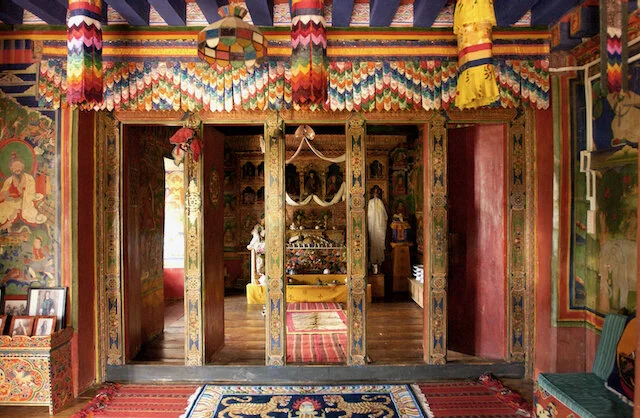
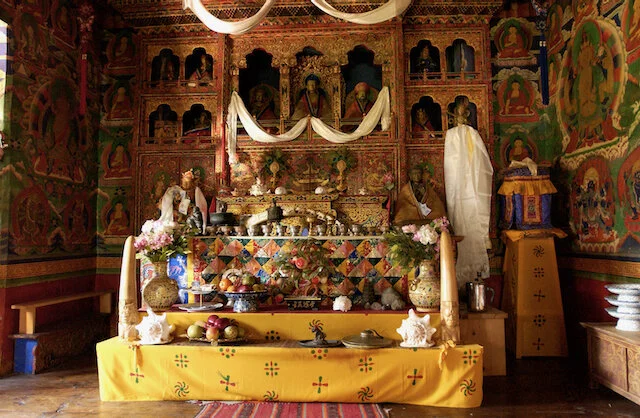
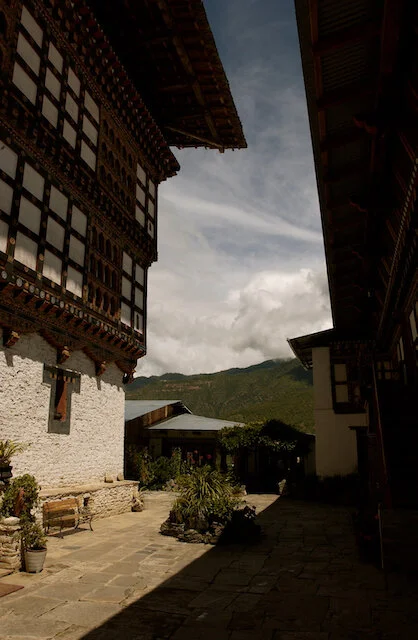
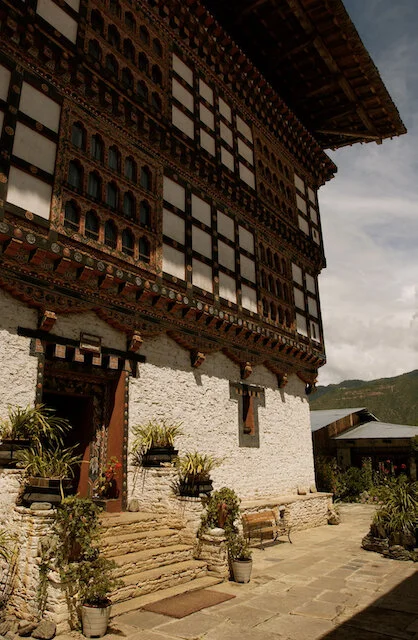
We have chosen the Gangtey Palace Hotel as our due diligence indicates that the current owners may sell or partner with qualified hoteliers to advance their historic facility. The estate is a 19th century hilltop nagtshang, or manorial compound with traditional Bhutanese courtyard, family alter room, and 19 bed rooms with space to house our planned Gyan Vihara Culinary Institute and land behind the built compound for 11 additional guest rooms and a wellbeing facility within a 12 acre parcel.
To be welcomed to such a manor house estate is indeed a precious opportunity. To make this point even more clear to our visiting sojourners, the Resource for Life staff strives to apply wisdom known as the Four Thoughts that Revolutionize the Mind as the ground on which all experiences during the stay are built.
Paro is the important destination, in addition to the “must see” tourist sites such as Taktsang Palphug Monastery (Tiger's Nest) and Rinpung Dzong, the country’s only international airport is just 10 minutes away. The state airline has just two Airbus planes for international travel, thus limiting volume. Flights are via Calcutta/Bangkok, or Katmandu/New Deli.
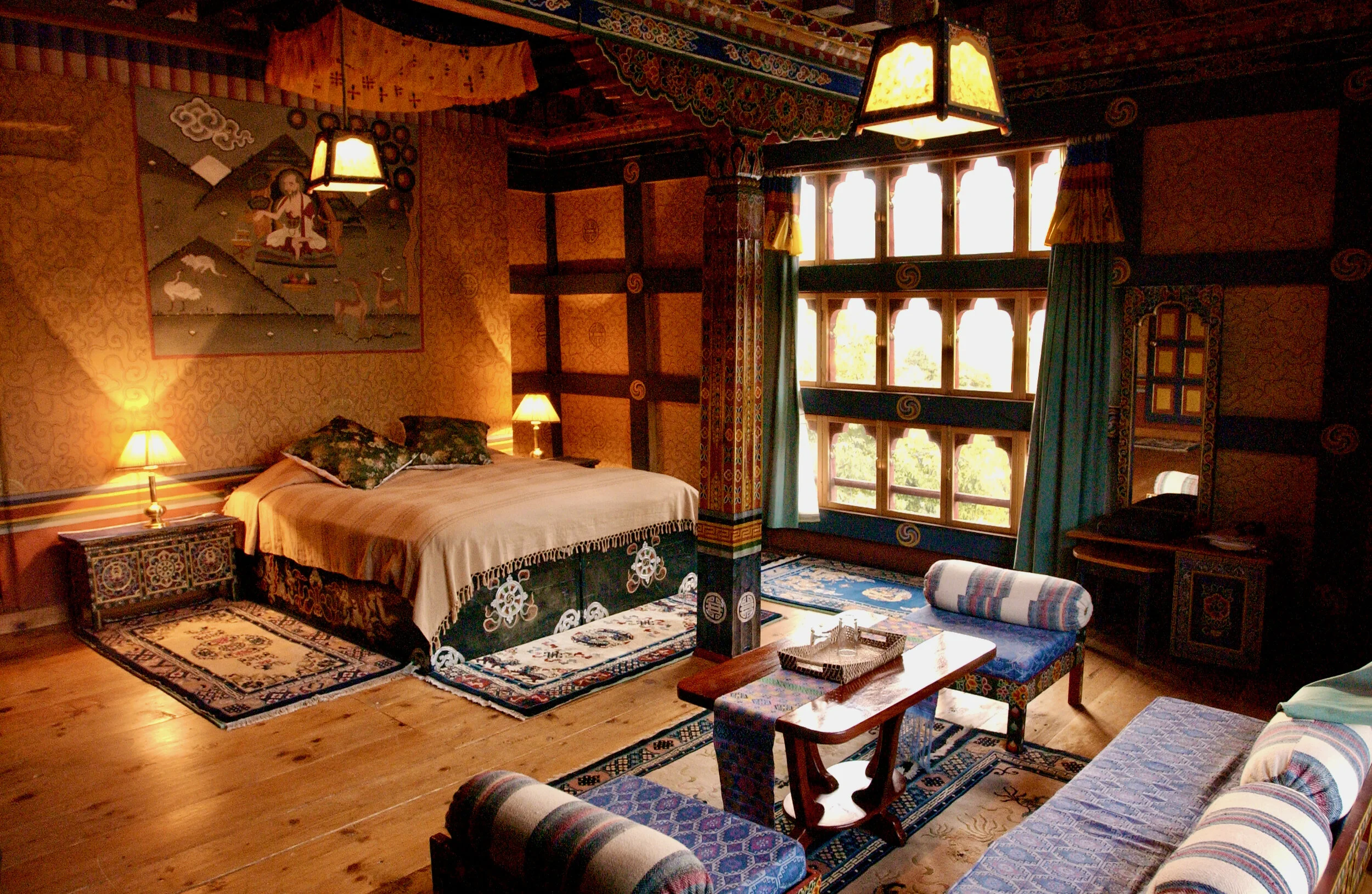
Upgrade all rooms according to existing best accommodations.
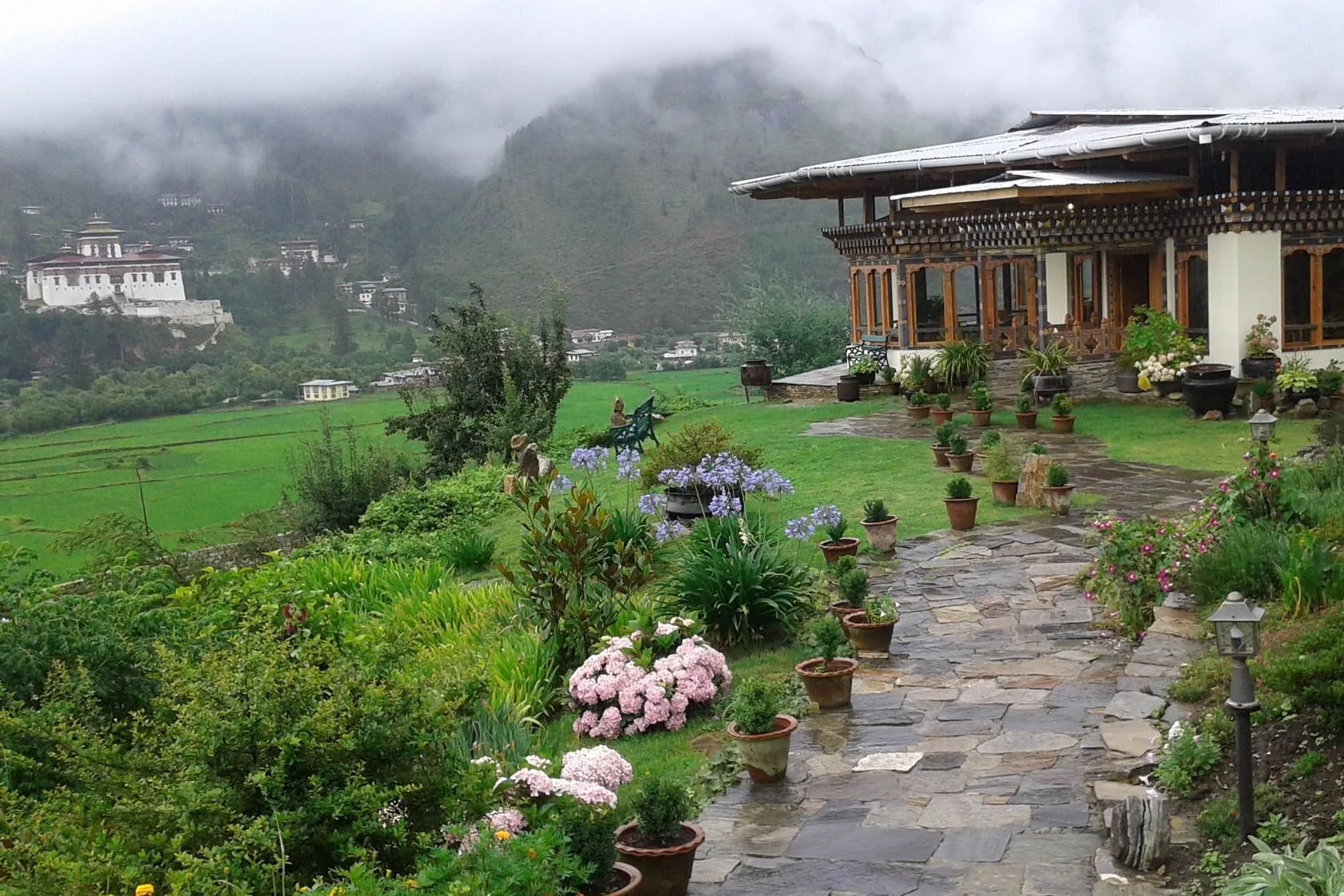
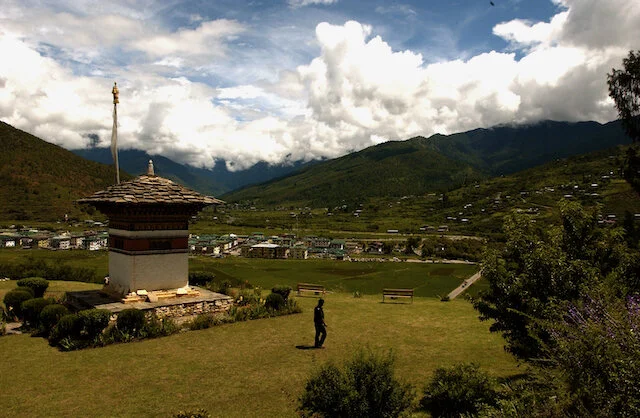
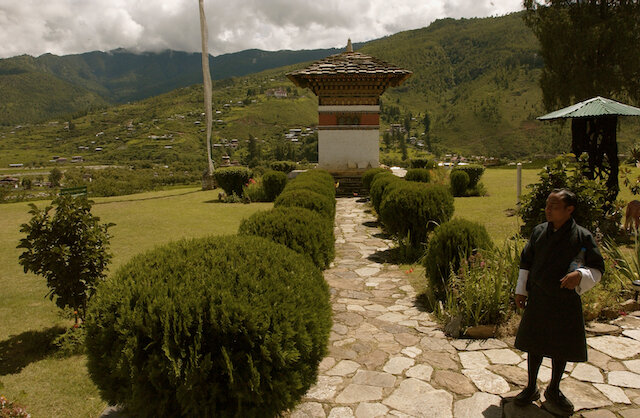
Tea Lounge with view of Dzong
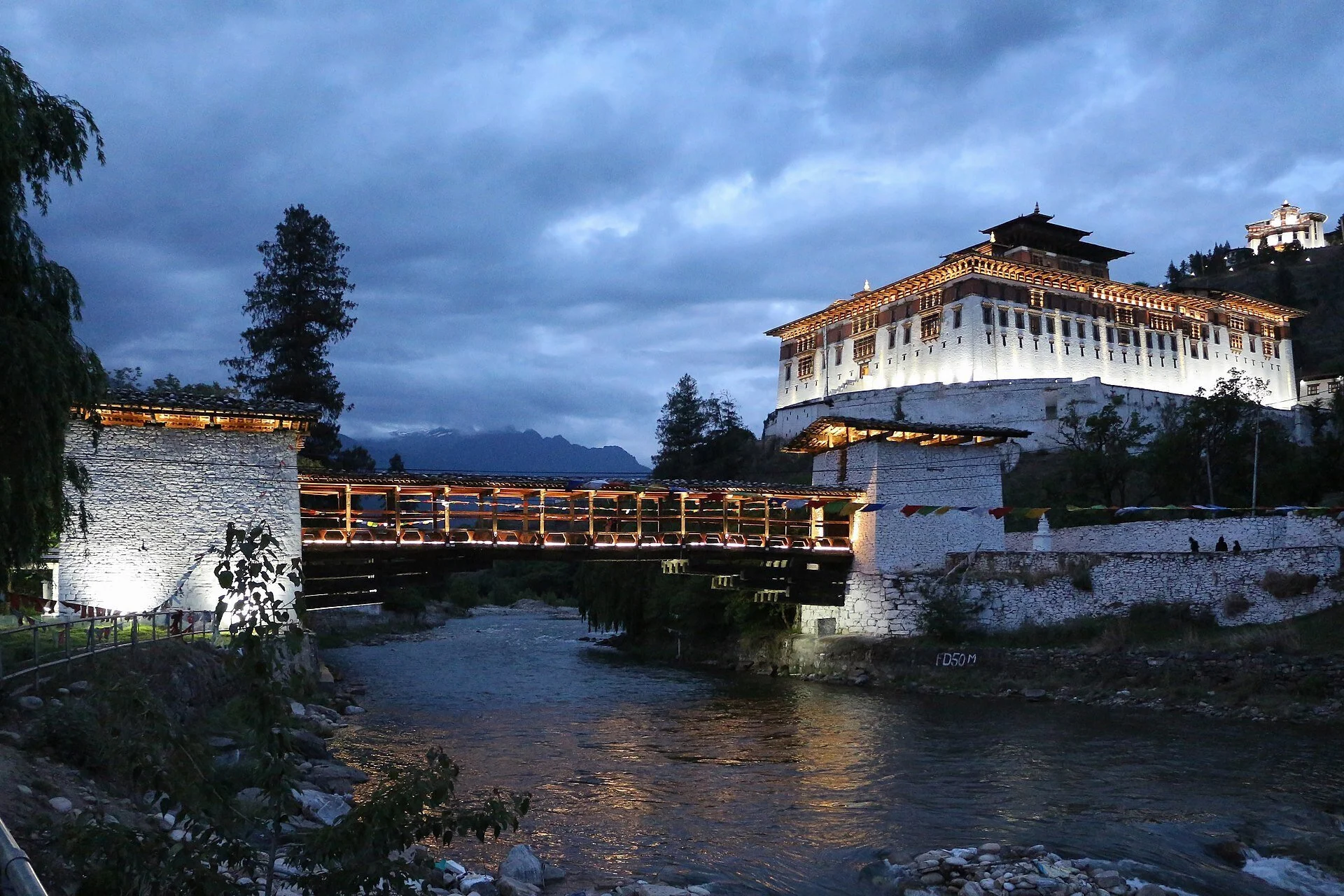
17th century Rinpung Dzong
THE NEXT 30 YEARS: A CLASSIC
Gangtey Palace also featured in the National Geographic 1914, “Castles in the Air”, Experiences and Journeys in Unknown Bhutan, by John Claude White. We intend reposition and enhance the century old treasure for the next 30 years.
UPGRADE PLAN
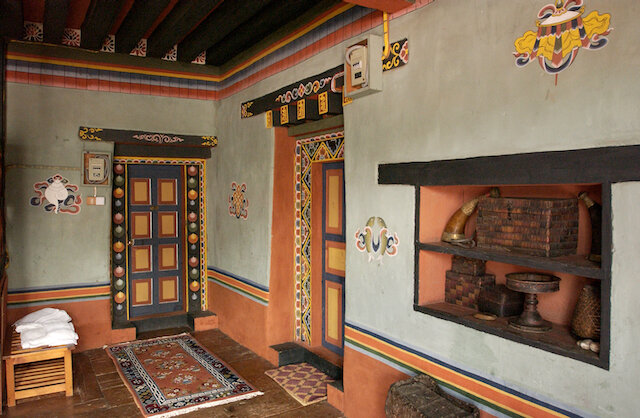
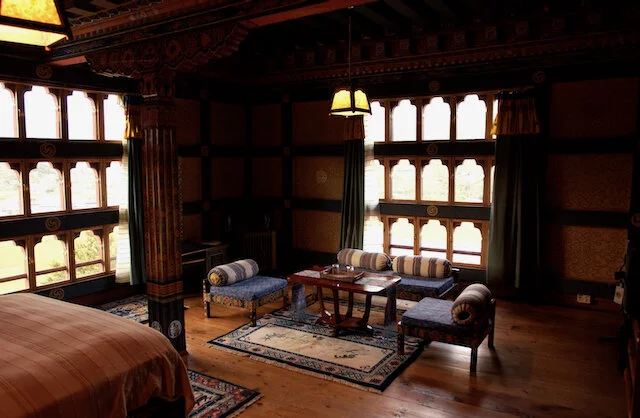
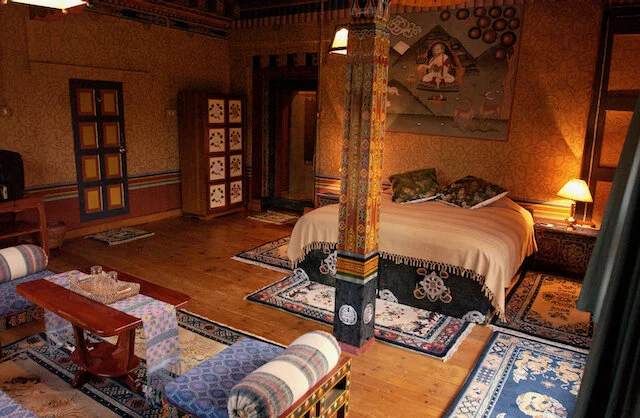
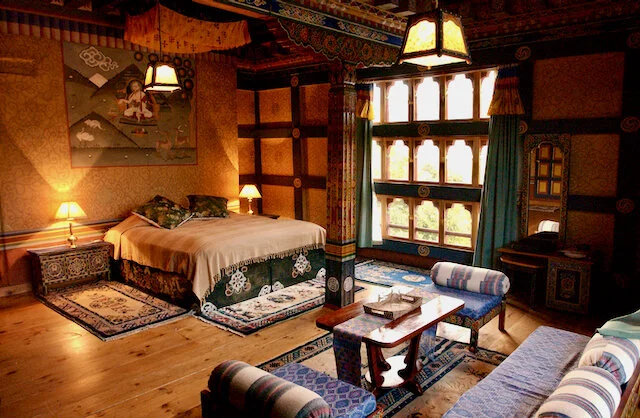
Upgrade and expand the key count from 19 to 30. Most of the current room inventory is sub-standard; when brought up to standards to exceed the current best room product, higher room rates can be attained (photo, top left).
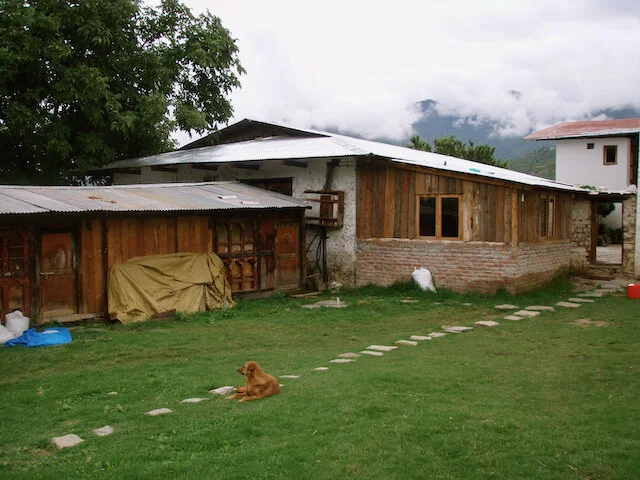
Upgrade Tea Lounge (photo, second left)
Paro’s intelligentsia, monastic and creative community currently enjoying the tea lounge venue, we shall upgrade the space and service with Elixir bar, medicinal teas service.
Upgrade Kitchen and Restaurant—Replace buffet and simple facility with intimate areas leveraging view opportunities of the river valley, 17th century Rinpung Dzong (photo left), temples, and historic places. Kitchen to be visible from the dining areas to include portions of the Gyan Vihara Institute.
Launch Gyan Vihara Culinary Institute—regarding the start of a Modernist Cuisine, Food as Wellness curriculum coordinated with the Wellness Center.
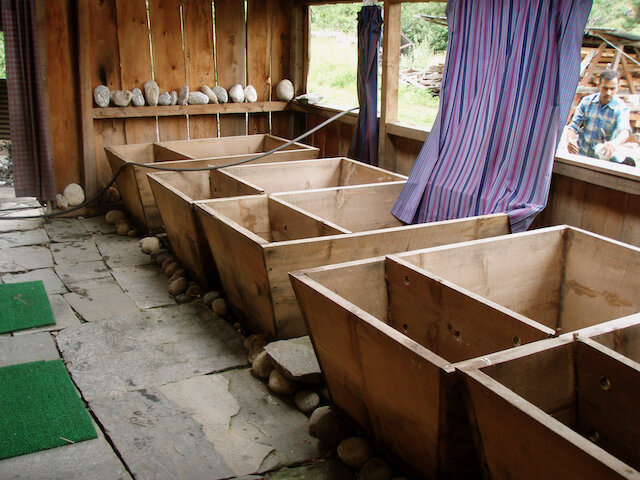
Launch Wellness Center—Convert tradition Bhutanese hot stone bath spa to Wellness Center. Current bath spa is very, very basic (photo, below) — an encompassing facility shall be conceived to support integrated wellness modalities in coordination with existing indigenous wellness clinics and learning centers.
Upgrade Gardens and exterior relaxation venues — To include medicinal plantings.
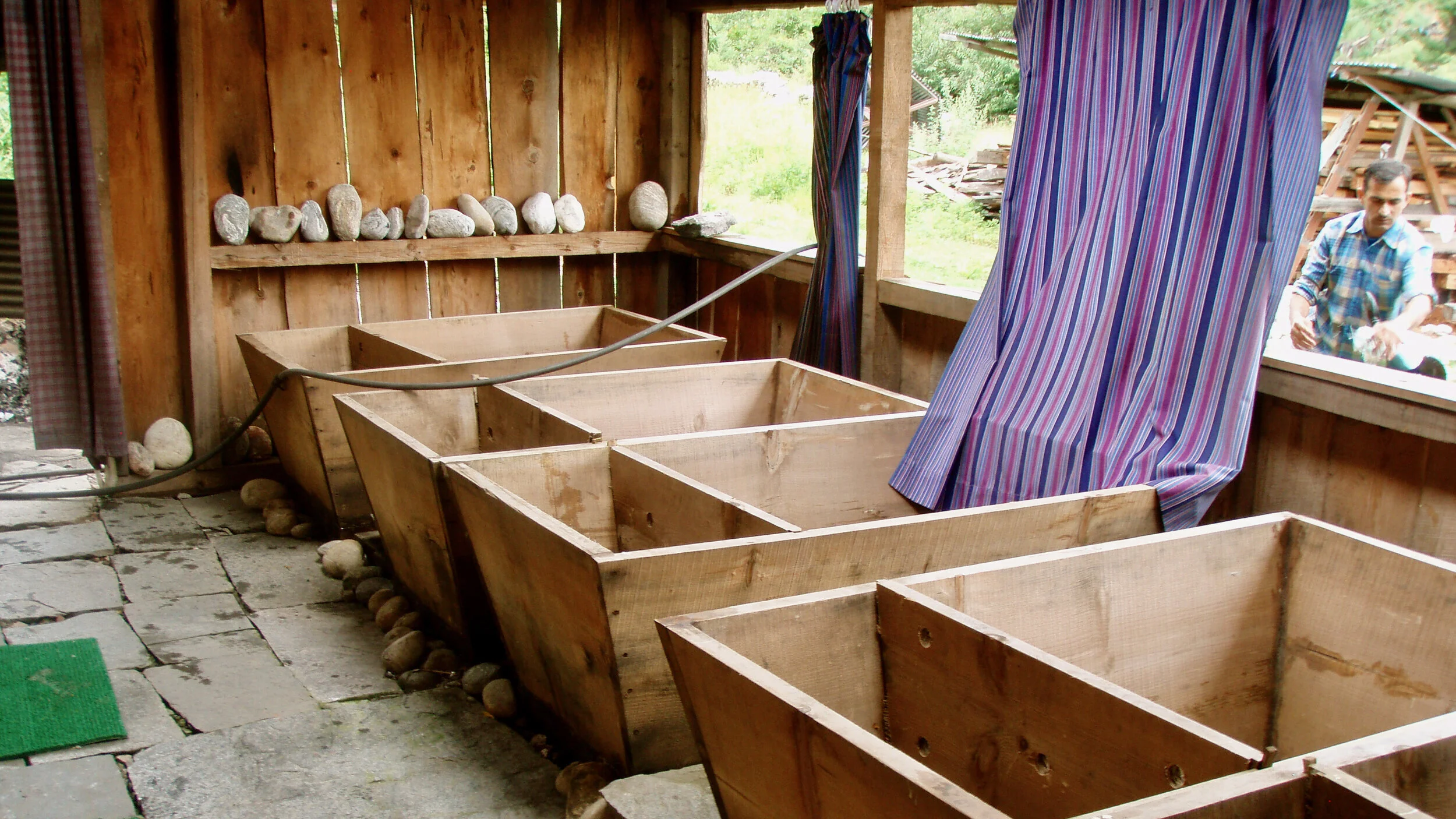
Existing hot stone bath spa
EXPERIENTIAL FEATURES
INTEGRATED WELLBEING
Proximity to the monastic community of teachers shall be utilized to guide The Noble Eight Fold path guides the journey to wellbeing.
The Integrated Wellbeing healing system comprises six interwoven realms. It embraces the concept of taking a journey into both the outer environment and into one’s inner environment at the same time, guided by highly-experienced teachers and healers.
The National Traditional Medicine Teaching Hospital is just 30 miles away in Thimphu and shall be a collaborative resource. See video below.
VIDEO: The Institute of Traditional Medicine was set up in 1979 with assistance from World Health Organization (WHO) to develop and popularize Bhutanese herbal medicine, which has been used by the rural people in Bhutan for many centuries.
DYNAMIC ART COLLECTION
Visual art is generated within on-premise studios, work is commissioned for the many public and guest room spaces, and for the multiple galleries.
We shall set an entirely new direction for Gengtey and Bhutan with our Art In Life program as part of the Living Museum.
31 miles from Paro within the Thimphu district a number of art schools teach many of the 13 traditional arts of Bhutan, such as Choki Traditional Art School (video highlights below), and Zorig Chusum Traditional Arts School. Additionally, art galleries such as Voluntary Artists Studio, Thimphu (VAST) feature successful fine artists shall become the principle resource for Art In Life (video below).
VIDEO: Choki Traditional Art School
FOOD CONCEPT
Harmony Project Bhutan brings the essence of indigenous cuisine from the mountains and lands of this pristine country to the forefront and blends them with modern, creative and unexpected finds from the various micro-climates throughout Bhutan. The result is a cuisine that connects with earth, recognizes seasons and ecology and caters to the subtle aspect of five elements, six tastes and seven dhatus (body tissues). It is a farm driven cuisine with global inspirations and aspirations that never stray from but ever build upon local and globally acknowledged traditions and ancient culture.
Food is sacred and plays a very important role in the lives of the Bhutanese people. As the principle classroom for the Gyan Vihara Culinary Institute we prepare and serve food with the purpose to “Delight, Sustain, Educate, Nourish and Heal”.
Mindfulness is at the core of our sourcing philosophy. We work with local farm, artisans and small producers to support their effort in preserving the ecology for present and future. Customized handmade clay pottery, stoneware and metal feature prominently in living and shared spaces. We hope to merge their interest and passion with ours; and celebrate the collective vision of “to be of service and enhancing wellbeing”.
Apothecary “the ancient medical wisdom based on recording of symptoms, prescriptions and directions for compounding the medicines” embraces a contemporary expression here where we develop authentic formulations under the guidance of our specialists from various systems of healing. We create our own medicine from the food, and the food from the medicine.
VIDEO: Example of traditional Bhutanese cusine
DZONG, MONISTARY & NATIONAL MUSEUM VISITATION
Taktsang Palphug Monastery (Tiger's Nest) built in 1692is a sacred Vajrayana Himalayan Buddhist site located in the cliffside of the upper Paro valley.
Rinpung Dzong built in 1646 with Buddhist monastery of the Drukpa Lineage of the Kagyu school.
National Museum of Bhutan established in 1968, in the renovated ancient Ta-dzong building, located above the Rinpung Dzong.
Jowo Temple of Kyichu is one of the oldest temples in Bhutan, originally built in the 7th century.
Jangtsa Dumtseg Lhakhang temple notable as it is in the form of a chorten, very rare in Bhutan
Drukgyal Dzong was a fortress and Buddhist monastery, now in ruins, located in the upper part of the Paro District, Bhutan. The dzong was probably built by Tenzin Drukdra in 1649 at the behest of Ngawang Namgyal, Zhabdrung Rinpoche, to commemorate victory over an invasion from Tibet.